One Shot, One Kill... Or Not?
Why I default to preparing for one perfect strike, and why repetition, iteration, and tight feedback loops might actually be the path to progress.
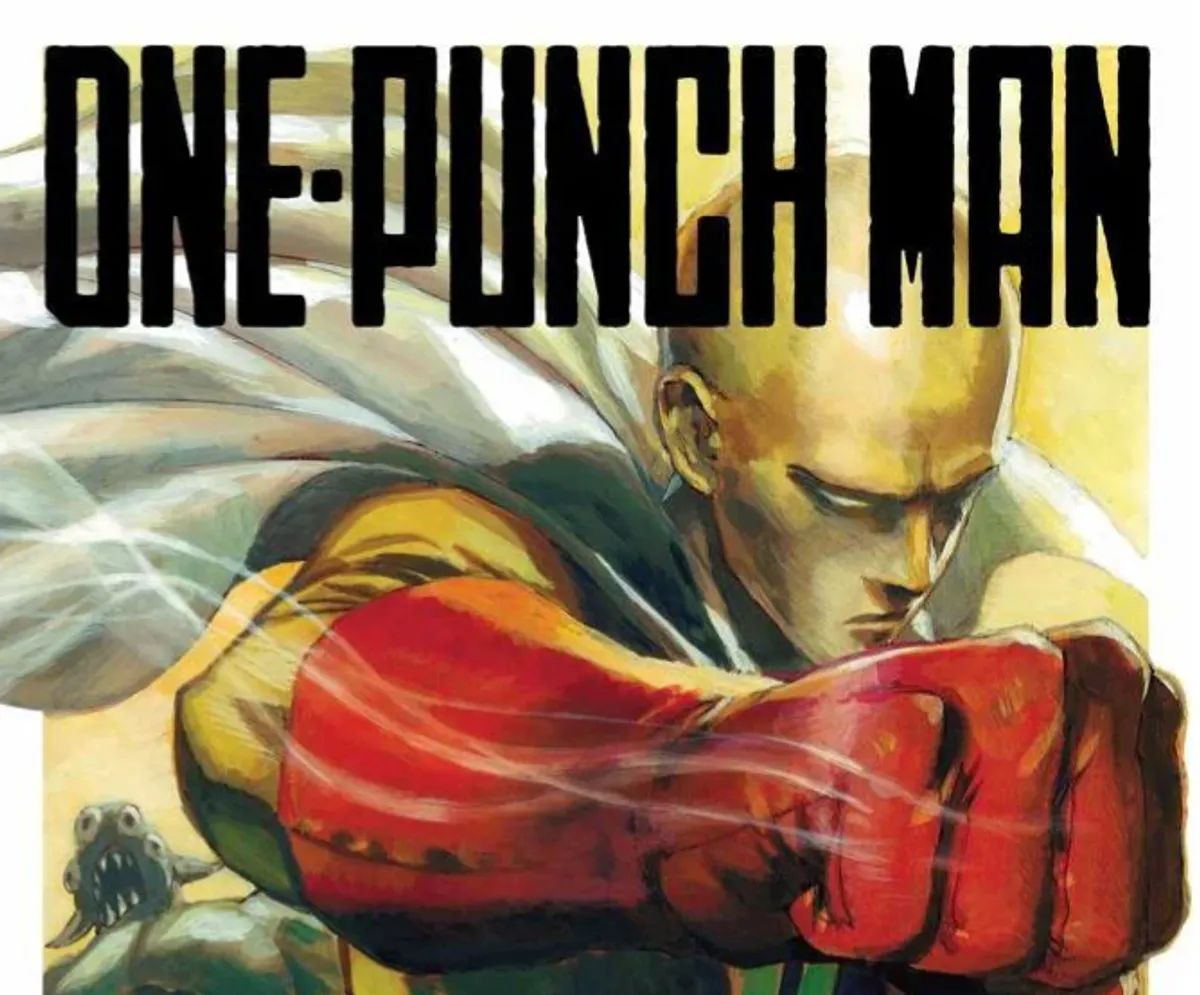
I keep noticing a pattern in myself: I want to do things in one shot, after I’ve prepared enough to feel like I can’t miss. One shot, one kill. It sounds cool in theory, but in the real world, projects, skills, and even soccer reward something less cinematic and more consistent: taking many shots on goal, adjusting, and staying generally pointed in the right direction.
The “one strike” mindset
Before I do something, I prepare and prepare: scheduling, worst-case scenarios, premortems, all the stuff that makes me feel safe. There’s nothing inherently wrong with that… but it can leave a lot to be desired when the goal is real progress. Great results usually come from time, testing, and being willing to look a little messy while you figure things out.
Feedback loops beat perfect plans
Thomas Edison famously said:
“I have not failed. I’ve just found 10,000 ways that won’t work.”
The point isn’t worshipping the quote, it’s the mechanism behind it: he wasn’t waiting for the perfect moment, perfect materials, or perfect plan. He was running experiments and learning fast.
That’s what a tight feedback loop does. You try, you observe, you adjust, you repeat. You can see it in creators too. Pewdiepie’s growth (at least in the way people describe it) is basically rapid iteration with the audience: trying ideas, reading reactions, adjusting the next move.
 |
|---|
| Figure 1. How’s it going bros, my name is Peeeeeewdiepie!… Brofist. Yeah I’m not him ; - ; |
And then there’s the photography study people love bringing up: one group aims for a single “perfect” photo after studying technique, while another group is tasked with taking a lot of photos. Over time, repetition plus iteration tends to win, because volume creates learning and learning creates quality.
Balance, not ideology
So yeah, repetition + iteration often beats trying to prepare for every last scenario, especially when the turnaround time is fast enough that preparation doesn’t go stale. At the same time, preparation still matters, and doing some thinking upfront is often the difference between productive iteration and random flailing.
The real goal is balance: don’t treat one method as precious, not a “my way or the highway” thing. Always room to grow your approach, or learn from someone else’s.
If I had to boil it down: I don’t need more perfect strikes. I need more shots.